


Quality
Constantly raising the bar to improve our quality standards, vigilant monitoring of our processes & systems with an aim for improvement always.

Technology
Latest technology machines used to manufacturing our high quality flexible polyurethane foam.

Price Advantage
Due to our large scale economies we pass on the price benefit and advantage to our customers.

Recycling
Prevent pollution, conserve resources and minimize or eliminate waste by reducing, reusing and recycling.
Our Brands
At Springfeel we manufacture flexible polyether polyurethane foam. The densities of our products range from 9kgs/m3 to 65kgs/m3.

Feel the Difference with our Regular & Premium brands unbeatable quality at the right Price.

Our matrix brands is value for money Always reliable.

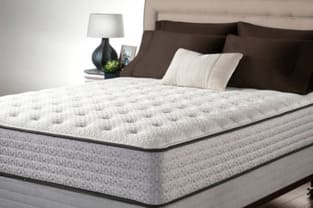
Finesse mattresses are the finest,most comfortable & meets International standards.
Technical Grade Foams

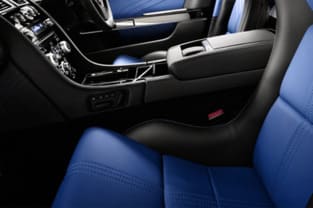
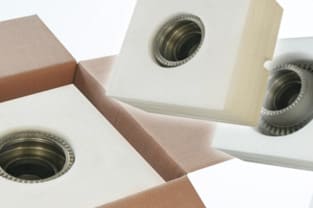
Automotive Foam

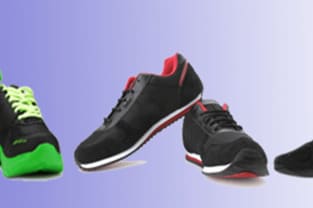
Footwear Grade Foam

Lamination Grade Foam

Antistatic Foam

Hyper Soft Foam

Latex Feel Foam
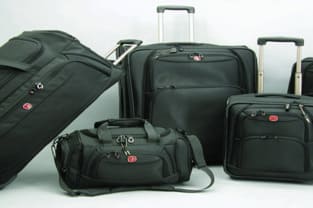
Applications
Springfeel’s Edge
FOAMING TECHNOLOGY
MAXFOAM TECHNOLOGY
We firmly believe that technology is not a tool, but the key- to innovation and customer satisfaction.
PRICE ADVANTAGE
Maxfoam technology helps us reduce production costs and so we are able to offer better prices to our customers.
BETTER QUALITY
The quality of our Maxfoam blocks is much better than blocks produced from indigenous machines as Maxfoam blocks show better density distribution and ILD values.
WIDE RANGE OF FOAM
We offer the benefit of wide range of Products to our customers based on their applications and requirements.
CUTTING TECHNOLOGY
AUTOMATIC CAROUSEL MACHINE
Blocks are cut to specified thicknesses using CNC-based high precision ‘Slitting and Stacking Carousel’ cutting machines, from Fecken- Kirfel, Germany.
AUTOMATIC CONTOUR MACHINE
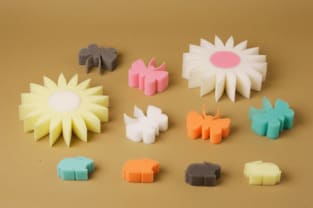
Our highly sophisticated CNC-controlled fully automatic ‘Contour’ cutting machine enables the cutting of foam blocks into complicated shapes and sizes as per customers’ specific requirements.
PEELING MACHINE
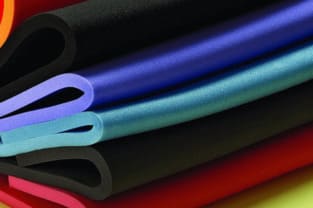
Foam is peeled into a continuous roll form with using Fecken-Kirfel peeling machines from Germany.
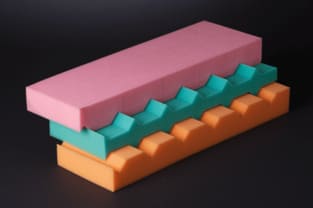
PROFILE MACHINE
The ‘Profile’ cutting machine from Fecken-Kirfel, Germany, enables us to give our clients convoluted foam in hump profile.
Why Choose Us?
Our passion reflects in our vocation and our zeal to serve will exceed your expectation
Best Quality
Meets International standards with our superior cutting edge technology.
Tons of Range
A big basket of products with the widest range to meet requirements from various segments to cater a multitude of applications.
Value add products
Our specialized & technical products paves the path for various manufacture’s to flock to us.
Very Flexible
Our infrastructure and experience assures customized service to every customer & guarantee’s delivery “in time” “all the time”.